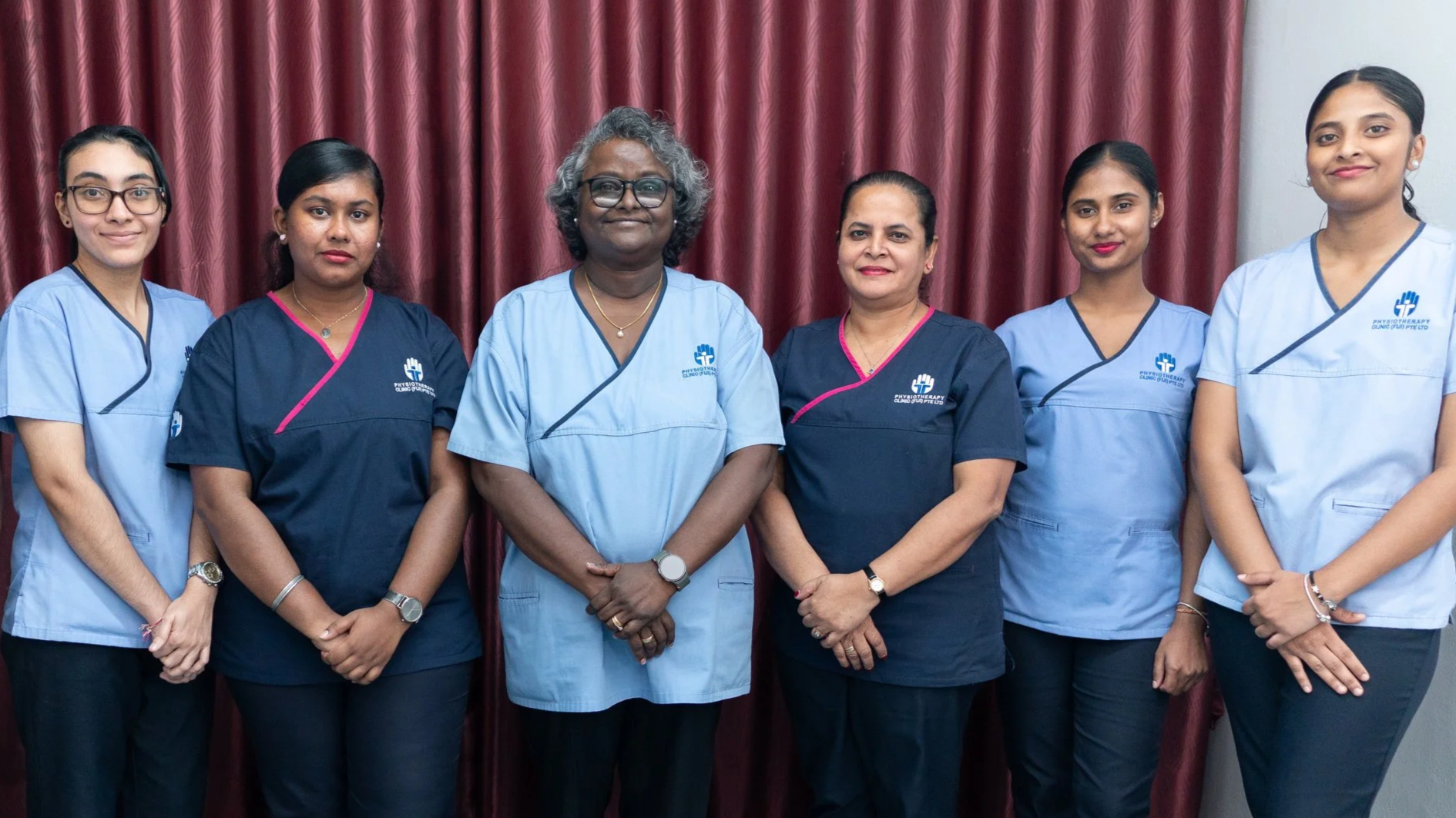
Physiotherapy Clinic Fiji Is a Family." One Patient's Journey Back From Plantar Fasciitis.
Six months of pain. Unable to walk properly. Then she found Usha — and everything changed.
There is a particular kind of suffering that comes with pain you cannot fix and cannot escape. Every step a reminder. Every morning a negotiation between your body and the day ahead.
That is where this patient found herself — during one of the hardest periods in recent memory.
It Started During COVID
The timing could not have been worse. Movement restrictions were in place. Clinics were hard to access. And the pain in her feet and ankles was getting worse, not better.
She had been diagnosed with plantar fasciitis and flat feet — a combination that, when left untreated, makes even basic walking genuinely difficult. For almost six to eight months, she managed as best she could on her own.
She did what most of us do. She googled everything. She tried exercises she found online. She iced her feet. She hoped it would resolve itself.
It did not.
"I Was Walking Like a Turtle"
By the time she sought professional help, the pain was constant. The moment her feet touched the floor each morning, it began. Walking — something most of us do without a single thought — had become an ordeal.
She describes it simply: she was walking like a turtle.
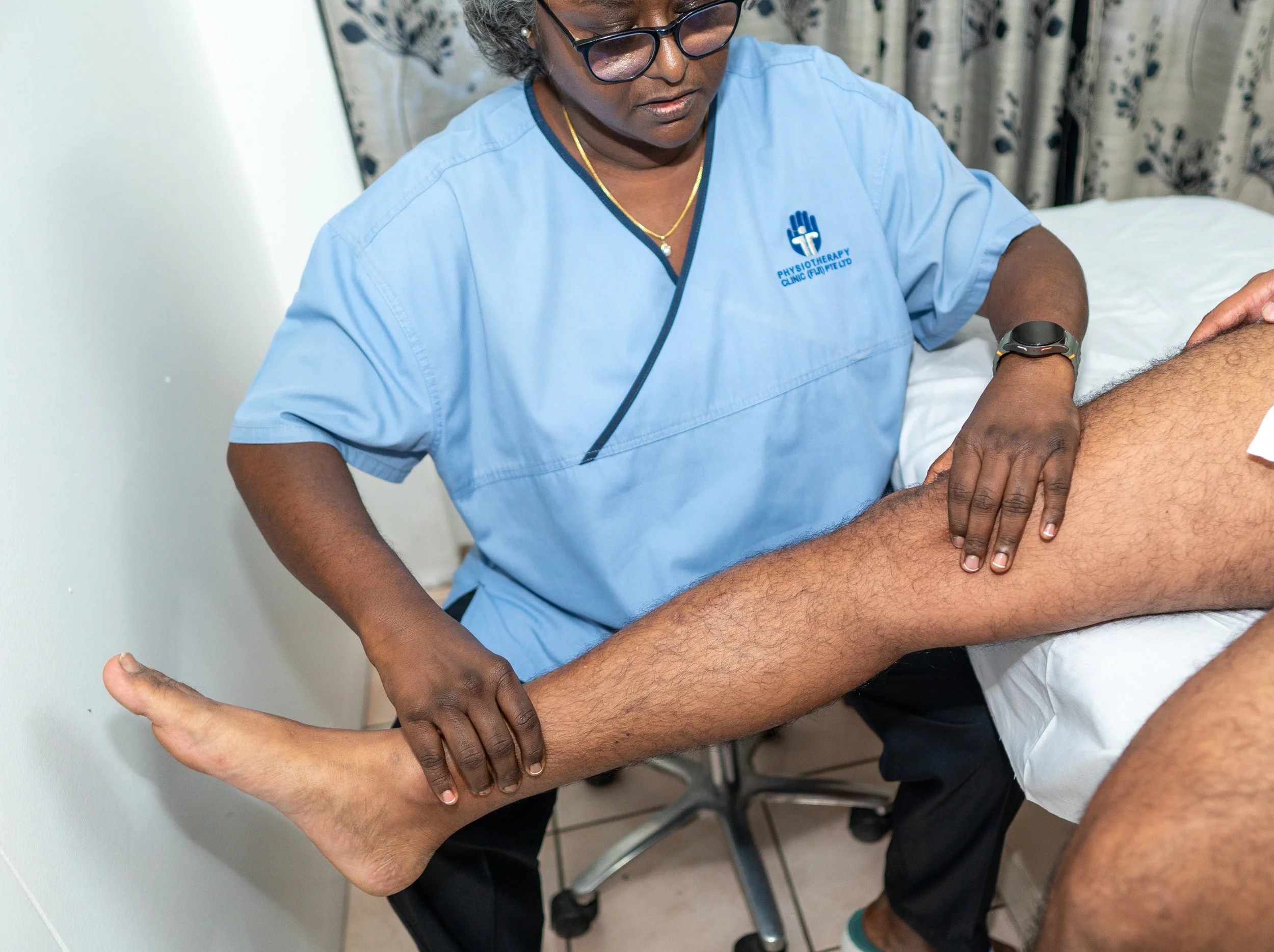
Her husband pointed her toward Usha Krishna-Gfeller. He had known Usha for some time and trusted her credentials. For this patient, it was her first time ever seeing a physiotherapist. She did not know quite what to expect.
What she found was someone who immediately got to the root cause — not just the symptom.
"She knows exactly how to get to the root of the cause of our problems. And every day when I come in, she'll ask me how I'm feeling and treat me for the problem for that day."
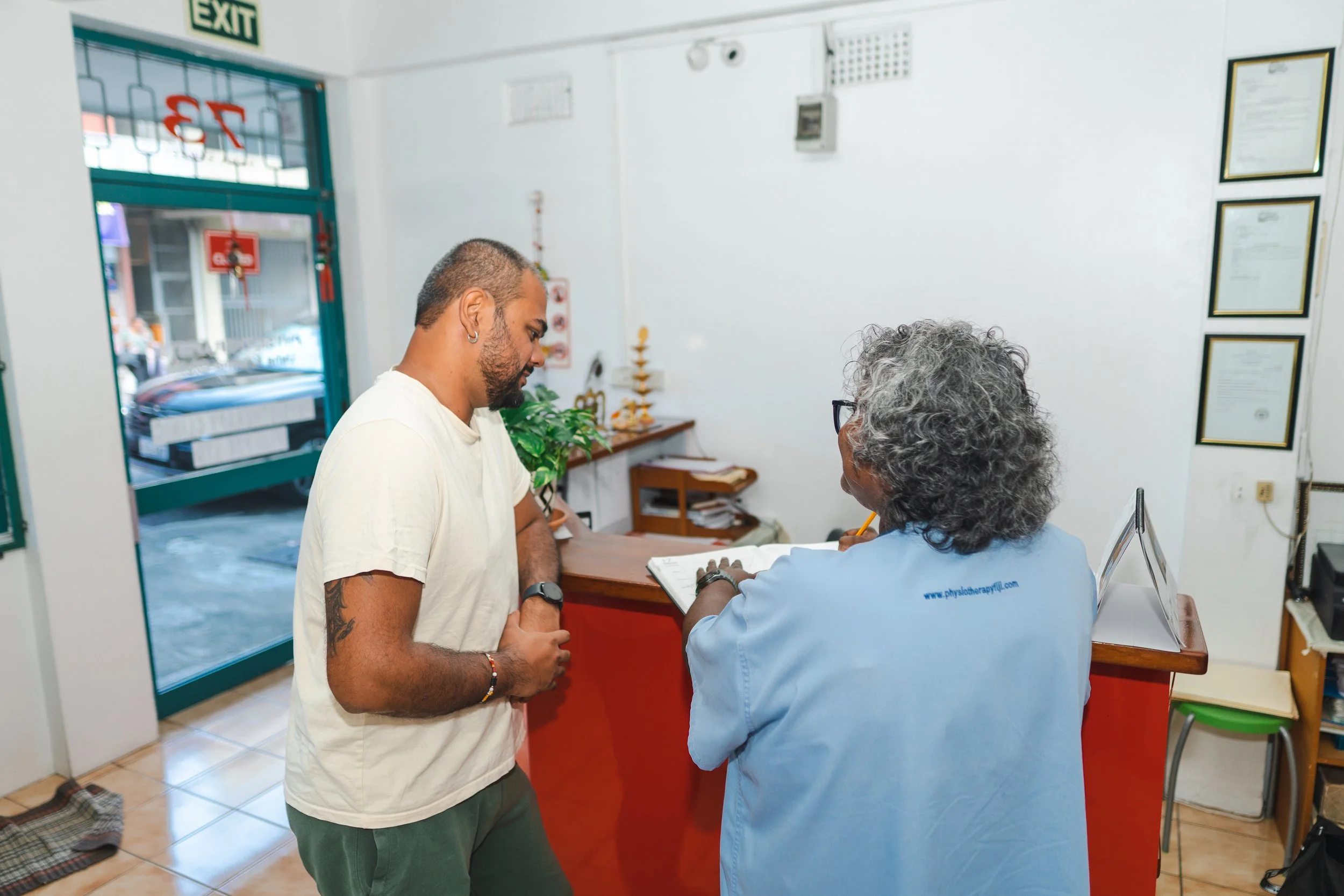
That responsiveness — treatment calibrated to how the patient feels on that specific day, not a fixed protocol applied regardless — is something that sets Physiotherapy Clinic Fiji apart. Every session begins with a conversation. Every treatment plan is adjusted in real time.
What Is Plantar Fasciitis?
Plantar fasciitis is one of the most common causes of heel and foot pain. It occurs when the plantar fascia — the thick band of connective tissue running along the bottom of the foot from the heel to the toes — becomes inflamed or develops small tears, usually as a result of repetitive strain, poor foot mechanics, prolonged standing, or in this case, restricted movement combined with flat foot structure that places abnormal load on the fascia.
The hallmark symptom is sharp pain in the heel or arch, worst with the first steps in the morning or after periods of rest. In moderate to severe cases, as with this patient, the pain is present with almost every step.
Left untreated, plantar fasciitis becomes chronic. The tissue thickens, the pain deepens, and compensatory movement patterns develop — affecting the ankles, knees, hips, and lower back as the body tries to offload the painful foot.
Early physiotherapy intervention is the most effective treatment pathway. This patient waited six to eight months. Her recovery, when treatment finally began, still came — but the lesson is clear.
A Few Weeks Later — The Garba
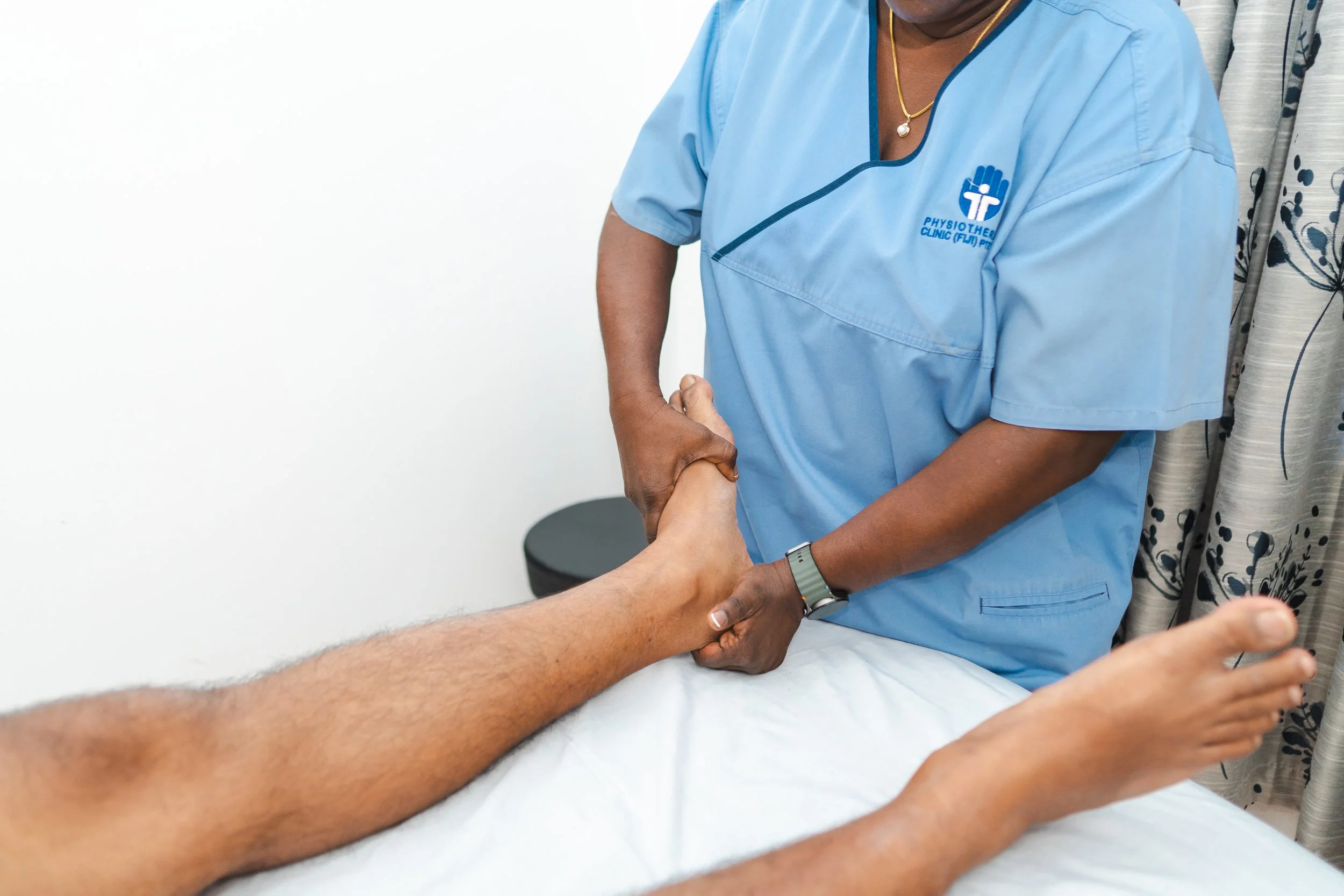
Recovery did not happen overnight. It took a few weeks of consistent sessions before she could walk freely without pain. But the progress was real, and it was steady.
The moment she knew she had truly turned a corner was not a clinical milestone. It was personal. There is a traditional Indian dance she loves — the garba — performed during religious celebrations. It involves rapid, coordinated footwork and circular movement. Joyful, energetic, and until recently, completely out of reach.
She can do it now.
"I'm not there yet, but I can say that I can do it now. I can do the garba — and I'm happy about it."
She can stand for longer. She can go on her walks. The life that pain had quietly restricted has opened back up.
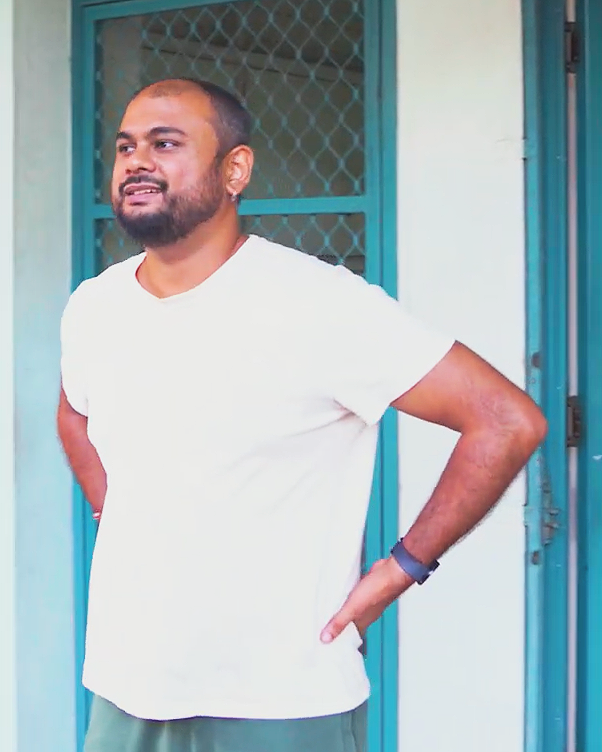
Why She Trusted Usha
Even before she came through the door, she had heard of Usha's work. She knew Usha had travelled internationally with Fijian rugby teams and athletes — managing complex, high-pressure injuries at the elite level.
Her reasoning was straightforward, and it is the reasoning of many patients who come to us:
"I have a lot of hope and confidence in coming to Usha because if she can manage to heal those people, I'm certainly sure she can help me."
That trust is earned over 35 years of clinical practice. It is reflected in patients who have been coming to this clinic for 20 and 25 years. It is why, when someone asks for a recommendation, the name Usha Krishna-Gfeller comes up — not the clinic name, not the location. Her name.

Her Advice to Anyone Still Waiting
She did not hold back when asked what she would say to someone in the situation she was in — sitting with pain, hoping it would pass, putting off getting help.
"Get help immediately. Don't put it off — because the sooner you get treated, the faster the recovery."
And on what it feels like to walk through the doors of Physiotherapy Clinic Fiji for the first time:
"Physiotherapy Clinic Fiji is a family. As soon as you enter through their doors, they take care of you — and your pain is already gone, I would say, just with the greeting and meeting the people, the team."
That is what we aim for every single day. Not just clinical outcomes — though those matter enormously. But the feeling a patient has the moment they arrive. That they are known. That they are safe. That they are in the right place.
If you are living with foot pain, heel pain, or any pain that is stopping you from doing the things you love — do not wait another six months. Come in. Let us find the root cause. Let us get you moving again.